Horror: Journey Through the Decades- 1970s (1976) – The Omen

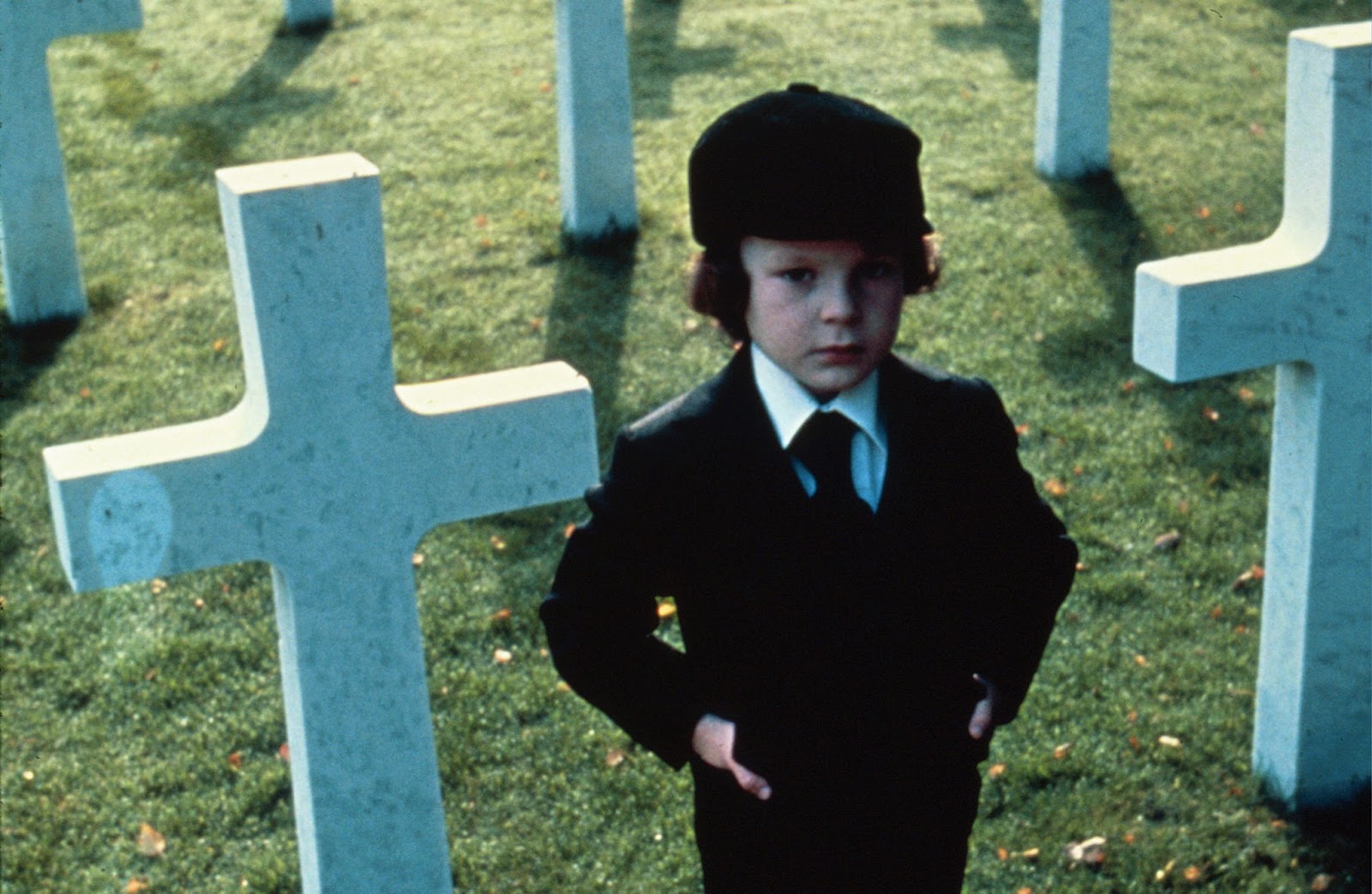
From Rosemary’s Baby to The Exorcist to Children of the Corn, the archetype of the evil or possessed child has been an evident part of the horror genre. Richard Donner’s 1976 horror classic, The Omen, is also famous for its evil child, the Son of Satan. However, the character of Damien Thorn in The Omen, stands apart from these other popular demonic children. 

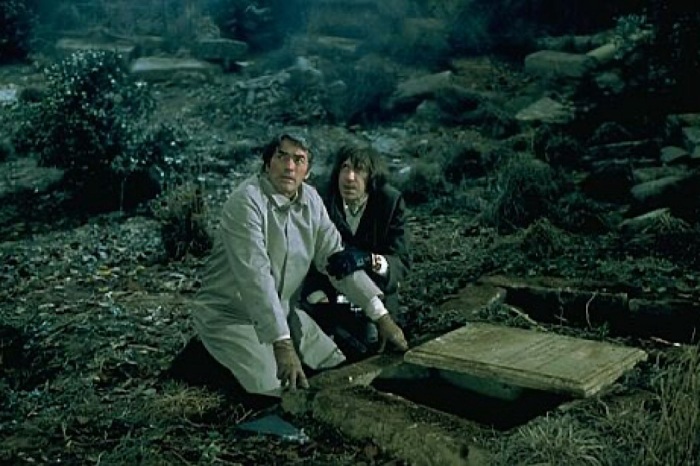
In the film, after Katherine Thorn (Lee Remick) delivers a stillborn baby at the hospital, her husband Robert (Gregory Peck) adopts a young baby boy unbeknownst to his wife. As their son Damien begins to grow older, a series of mysterious deaths and events begin to follow the Thorn family. A priest, Father Brennan, reveals to Robert that Damien is the son of Satan, the Antichrist. He also reveals that Katherine is pregnant and Damien will kill her new child, along with both Katherine and Robert. As more people around the family begin to die, Robert investigates the true background of Damien while coming face to face with evil. 
Source: Turner Classic Movies

Growing up, I always loved The Omen and the character of Damien Thorn. I found him to be such a different character compared to the other evil children depicted in horror movies. With little dialogue and simple stares, he could capture my attention in a second. And although Damien screams and physically attacks his mother at the sight of a Espicopal church and has tantrums typical of a young boy, he embodies a quiet villainy that is as haunting as it is compelling. Throughout the entirety of The Omen, Damien hardly says any other words besides “mommy” and “daddy”. His mere presence keeps viewers on edge. 

In The Exorcist, the character of Regan MacNeil represents a more overt and visceral form of possession. Regan’s transformation from a young girl to a vessel for demonic forces is physically and emotionally intense, with dramatic changes in her appearance, behavior, and language. Similarly, in Children of the Corn the monstrous children of Gatlin are depicted as the primary antagonists. Led by Isaac and his subordinate Malachai, the children capture and brutally murder adults in the town and put them on crosses as human sacrifices. Characters such as Regan and Isaac openly display their monstrous nature and are vocal about their violent intentions.
Source: Turner Classic Movies

In one scene in The Omen, Katherine decides to take Damien on a visit to the zoo. As the mother-son duo strolls and drives through the park, they encounter an array of different kinds of animals. However, with just a mere gaze at the giraffes, Damien sends all of them running away with fright. The unsettling power of Damien becomes even more apparent when he looks at a large group of baboons only to have them become increasingly agitated. The baboons storm the Thorn’s car while screeching and pounding at the windows. 

In another scene, Katherine is tending to one of her ceiling plants by standing on an uneven table a little too close to the railing. The scene repeatedly cuts back between shots of Katherine, her son Damien riding a tricycle around his bedroom, and the malevolent facial expressions of Mrs. Baylock, Damien’s nanny. Mrs. Baylock opens the door to Damien’s room, enabling him to ride straight down the hallway towards Katherine. Damien rides his tricycle directly into Katherine, pushing her over the railing. Damien purposely attempts to kill his mother. Yet, he never says a word. As he rides his tricycle, the film masterfully plays on the concept of the “demonic child,” subverting traditional perceptions of childhood innocence. He casts only a gaze at his mother as she hangs from the indoor balcony. 

Coming after the successes of The Exorcist and Rosemary’s Baby, as well as being one of the first representations of a demonic child in the horror genre, the character of Damien Thorn captivated audiences with his chilling portrayal of evil incarnate. His sinister presence and subtle actions left an indelible mark on viewers, cementing his status as an iconic figure in a genre that loves its creepy children. 
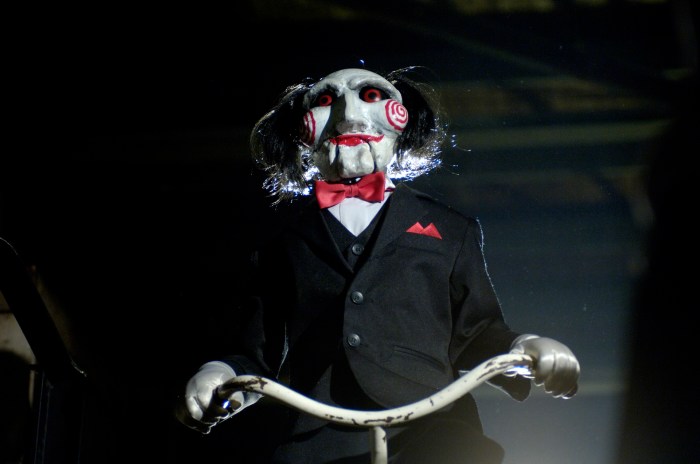
Horror: Journey Through the Decades- 2000s (2004) – Saw 

Are you here because you’ve seen Saw? Or because you’re curious to learn more? Whether you’ve witnessed the interwoven narrative of this 2004 American horror film or merely heard about it, you likely know about Saw and its association with violence, gore, and “torture porn.” This term, “torture porn”, refers to films that prioritize brutal and gratuitous images of people getting tortured or killed on screen. Various critics frequently utilize this term to discredit horror films, labeling them as lacking substance and reducing them to nothing more than sadistic narratives.

In a 2007 New York Times article, Jeannette Catsoulis called the first Saw film an “unexpected success” and described the whole franchise as “distasteful” due to its visceral and intense sequences. While not every film caters to everyone’s taste, particularly when it comes to horror, I believe some individuals dismiss and disregard films like Saw due to intense content. These discourses not only discourage viewers from actually watching the movie but also from critically analyzing and engaging with the film’s content. 

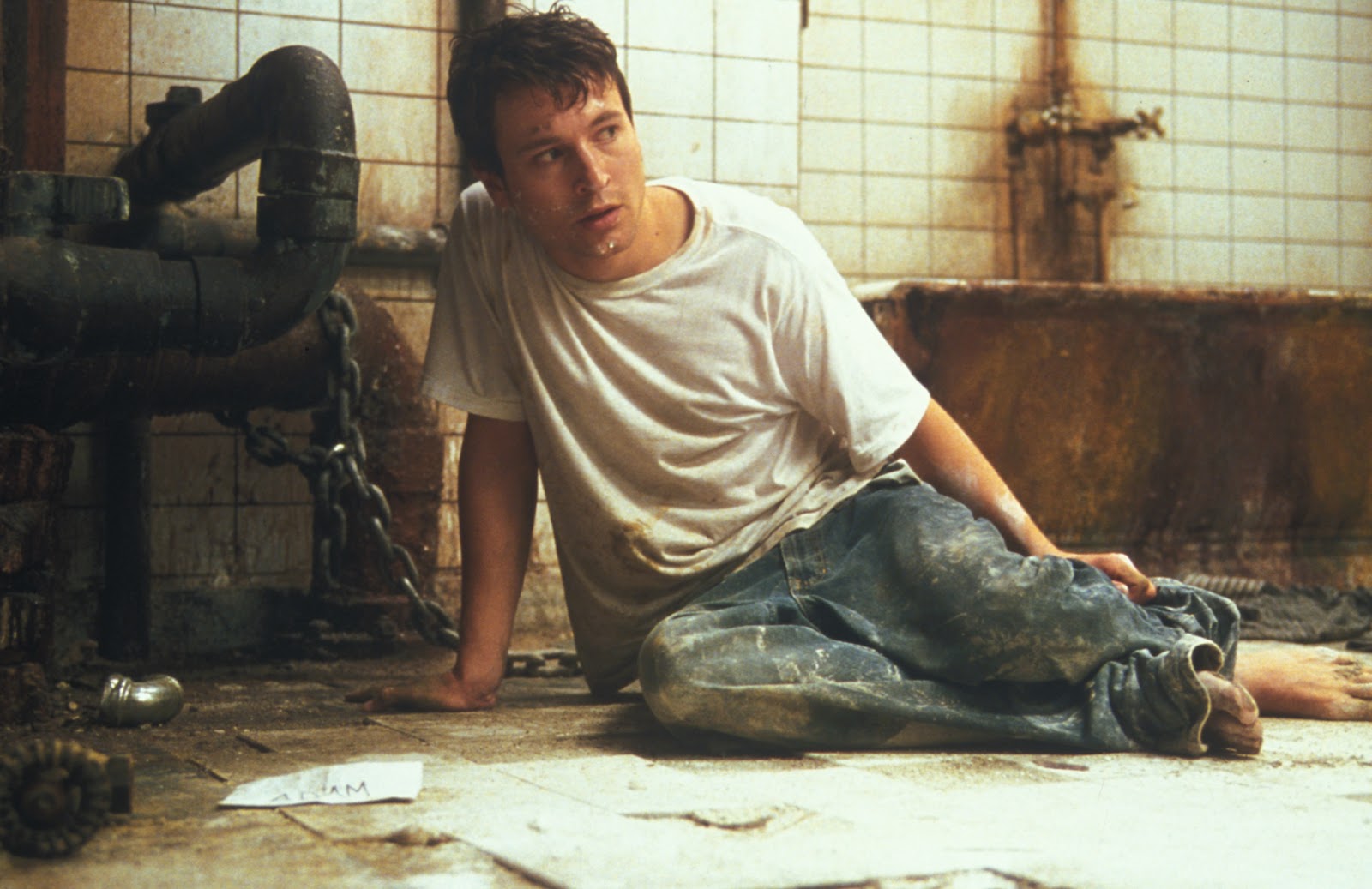
The film, directed by James Wan, begins when two strangers Adam Stanheight (Leigh Whannell) and Lawrence Gordon (Cary Elwes) find themselves chained to the pipes at opposite ends of a dirty and blood-stained bathroom. As the two men attempt to piece together their final moments before being trapped in the bathroom and attempting to seek an escape, the film cleverly weaves in flashbacks delving into the lives of Adam, Lawrence, and past victims. Simultaneously, it intertwines these events with the current investigation into the notorious Jigsaw killer. 

source: Lionsgate

Central to the film’s brilliance is the character of Jigsaw, also known as John Kramer (Tobin Bell). Jigsaw isn’t a conventional villain driven by malice or the desire to kill. He operates on a twisted moral compass to make individuals appreciate life’s value. His traps and games aren’t just sadistic displays of power; they’re an attempt to confront his victims with their flaws and make them rethink the harm they have caused in the past. Although Jigsaw has minimal screen time, his absence only adds to his presence. Viewers, along with investigators, must piece together the clues to discover Jigsaw’s identity and motives. 

While the term “torture porn” looms in media discussions, Saw defies this one-dimensional categorization. Although Saw includes scenes of violence and blood and many of the later films within the franchise include more gore with the introduction of intricate Jigsaw traps, the first film is not consumed by graphic images. Instead, it intricately balances tension with its exploration of moral ambiguity and the psychological depth that sets it apart from mere shock value.

source: Lionsgate

Among fans, Saw is also known for its intertwining narratives and surprising plot twists. In the final moments of the film, the seemingly lifeless corpse that has lay in the middle of the bathroom for the entirety of the runtime slowly comes to life. It is revealed that the body is John Kramer, the real Jigsaw Killer, who “likes to book himself front-row seats to his own sick little games.” The impact of this twist extends far beyond the immediate shock and elevates Saw beyond just a violent and torture-filled flick. It makes viewers rethink everything they just watched, wondering what clues they either caught or missed. It is a moment that remains in viewers’ minds long after the credits roll.

The Saw franchise stands as a milestone in the horror genre, as it is one of the highest-grossing horror series of all time. Saw X, the 10th installment in the franchise, was also released in September of 2023. With these accolades, it is safe to say that many people love the first Saw film and the whole series. If there’s hesitation about watching Saw, give it a chance. It might defy your expectations and leave you contemplating its twists, memorable characters, moral situations, and iconic theme song.